
Professional garden design Cheshire homeowners commission is not a decorative exercise applied over a blank canvas. It is a technical discipline — one that must account for the specific ground conditions, drainage behaviour, and site constraints of each plot before any layout, material, or planting palette is decided. On Cheshire’s clay-heavy soils, a design that ignores what is happening beneath the surface will not perform as intended, regardless of its aesthetic quality. The gardens that remain as composed and functional at fifteen years as they were on completion are the ones where the design and the engineering were developed as a single process, not handed off between a designer and a builder who have never spoken.
This page covers what professional garden design in Cheshire involves, the difference between design-only and design-and-build services, what the process looks like from survey to finished garden, and what realistic investment at different scales requires. For the broader context of full-scale luxury garden projects, see our Luxury Garden Transformations in Cheshire guide.
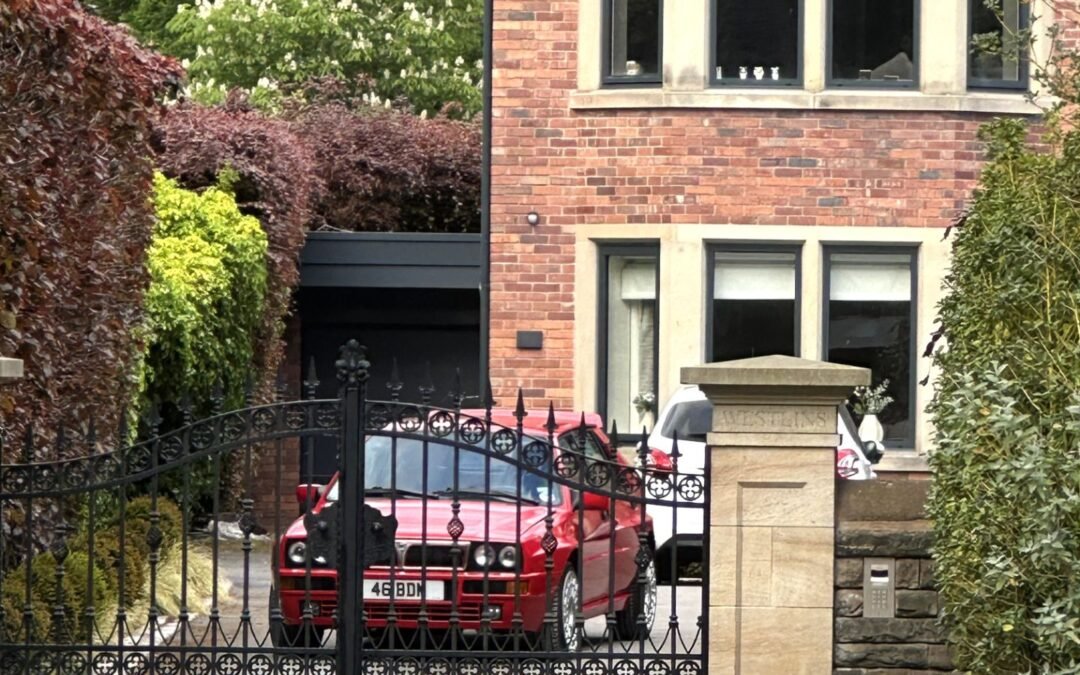
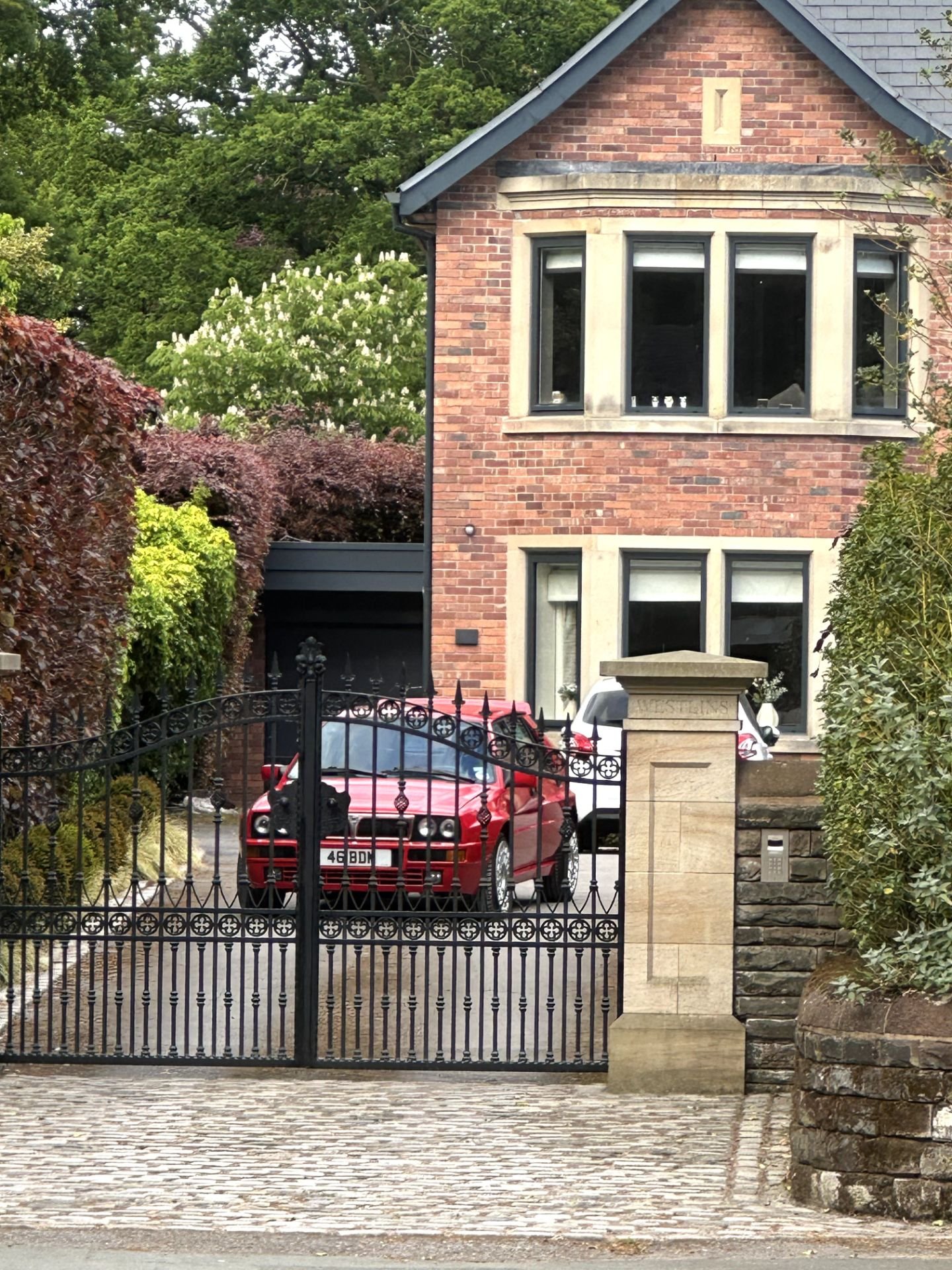
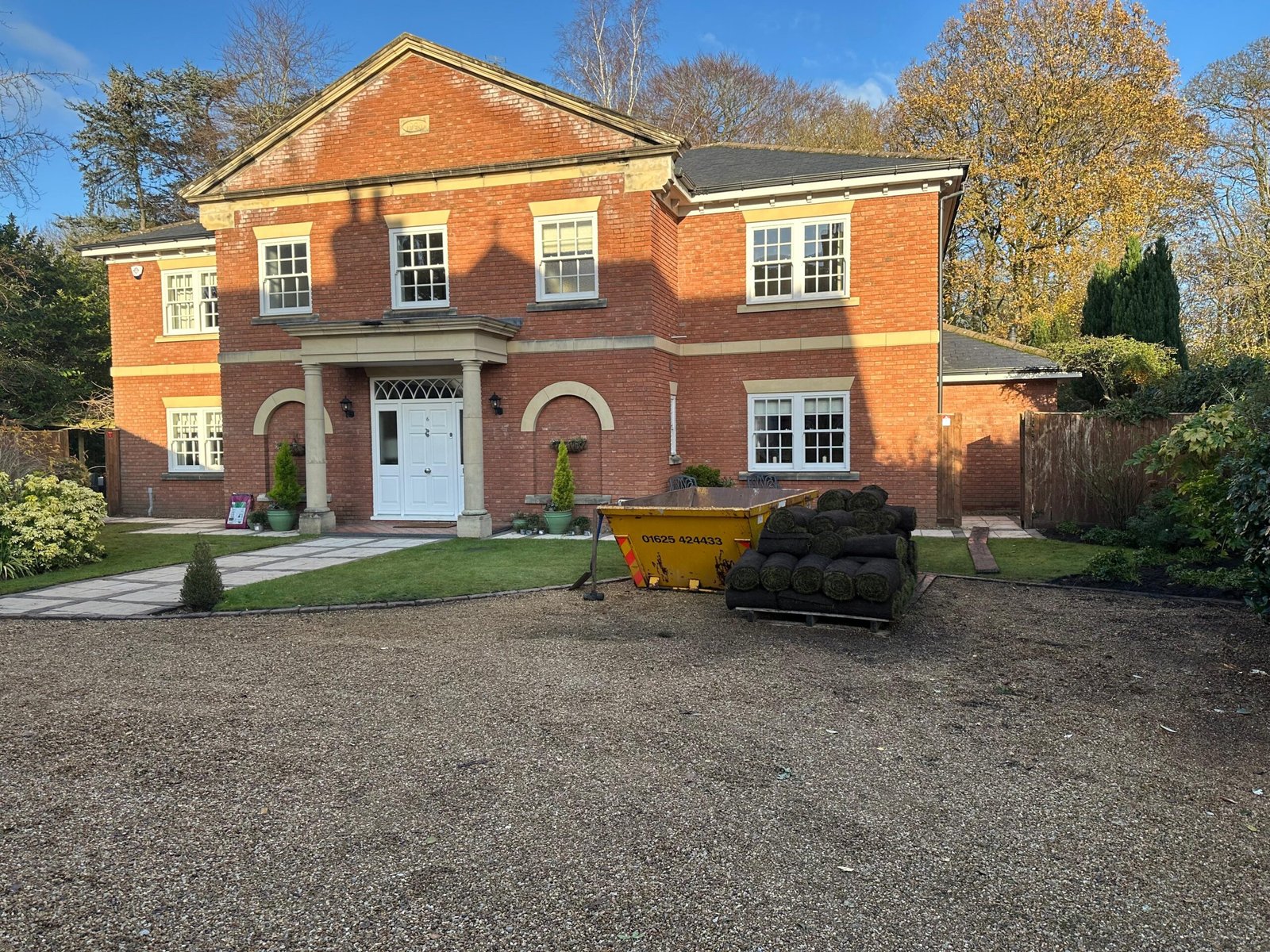
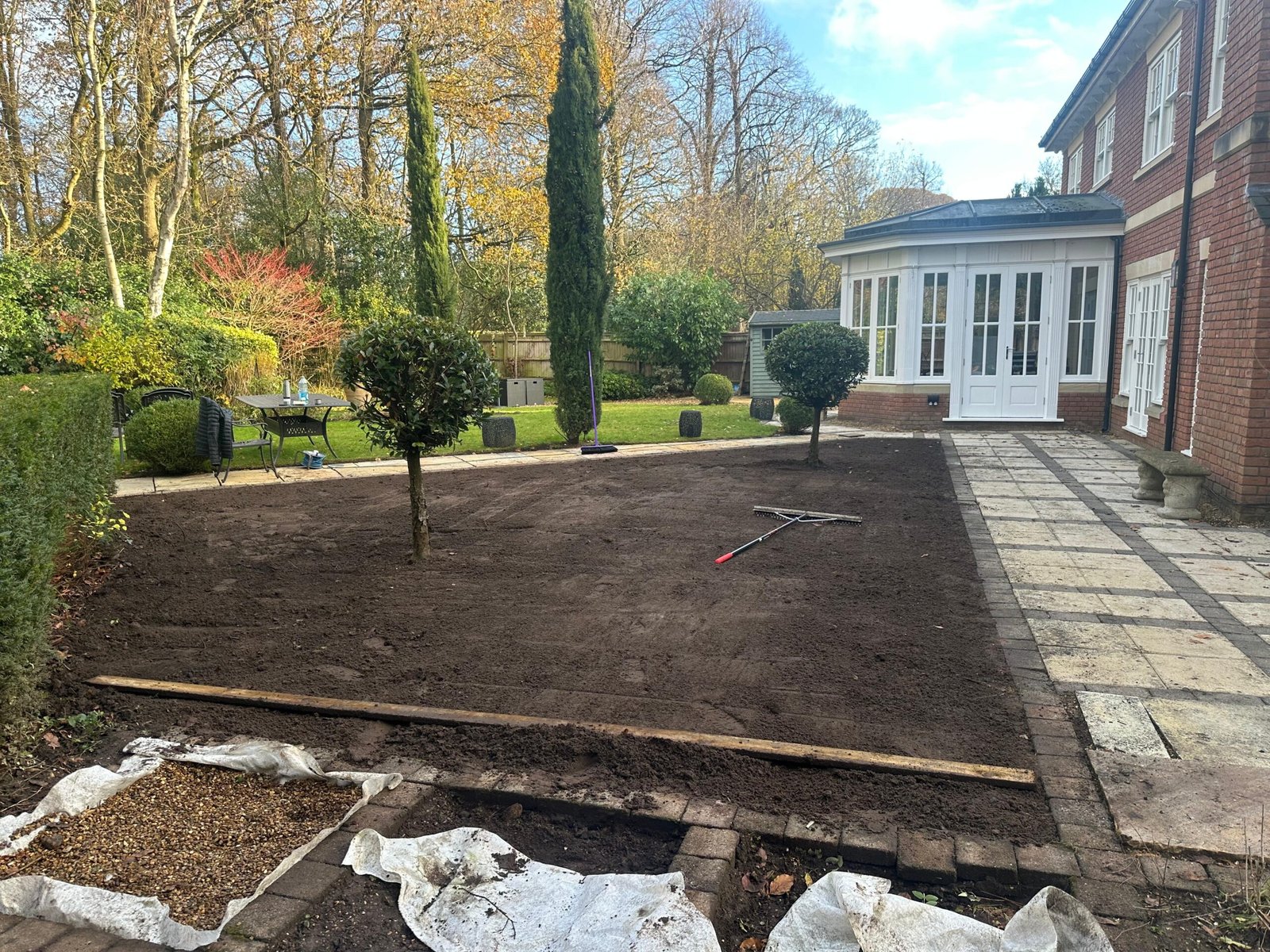
A recent design-and-build transformation at Goughs Lane, Knutsford — from survey and groundworks to the finished garden.
What Professional Garden Design in Cheshire Actually Involves
Professional garden design starts with a site survey that goes beyond measuring the garden. The survey establishes ground conditions, existing drainage performance, DPC levels relative to proposed finished floor levels, orientation and light patterns across the day and season, access constraints, and the architectural relationship between the house and the outdoor space. On Cheshire plots — particularly new-build developments around Knutsford, Wilmslow, and Alderley Edge, where shallow imported topsoil sits over compacted clay or construction rubble — this stage often reveals constraints that directly affect what the design can achieve and how the construction must be specified.
From the survey, a concept design is developed: a scaled layout that establishes the main zones, circulation routes, level changes, structural positions, and primary material choices. This is not a decorative arrangement placed over an assumed flat garden. Level changes are calculated. Water movement across the surface is modelled. The position of structures accounts for foundation requirements and the drainage integration they will need. Planting positions account for root depth and the sub-base conditions required beneath adjacent hard landscaping.
The detailed design that follows translates concept into a construction document: dimensioned drawings, material specifications, drainage design, structural details for steps, walls, and pergola footings. This is the document the build is priced from and delivered against. A design without this level of technical detail is a mood board. A design with it is an instruction set.
Clay Soils and Drainage in Garden Design Cheshire Projects
Clay covers a significant proportion of Cheshire’s residential areas — the Cheshire Plain, the ground beneath most of Knutsford, Northwich, Nantwich, and the villages across the county. The practical behaviour of clay is well understood: it shrinks in a dry summer and swells after autumn rain, it resists infiltration, and it does not provide a stable bearing surface for hard landscaping unless the sub-base beneath it is deep enough and compacted to specification.
On new-build plots across Cheshire, the situation is frequently compounded. Construction traffic compacts the subsoil. Topsoil depth is often 25–50mm — barely enough to establish grass, let alone support the root structure of mature planting. Drainage performance is close to zero. Gardens in this condition will waterlog in wet weather and crack in dry spells, and any hard landscaping installed directly over this base will begin to settle and shift within a few seasons.
Addressing this at concept stage means designing the drainage system as an integral part of the garden layout — not as a retrofit problem to solve after water reveals itself in the wrong places. Surface falls are established at formation level, not adjusted in the bedding layer. Channel drains, French drains, and controlled discharge routes are positioned before any terrace or lawn position is fixed. Sub-base depth is specified based on the ground conditions confirmed at survey — 150–200mm of compacted granular material on clay, in layers, with geogrid reinforcement where bearing capacity is particularly poor.
This is the level of engineering intelligence that a professionally designed garden in Cheshire requires. It is not visible in the finished space. It is entirely responsible for whether the finished space holds up.
Design-Only vs Design and Build — Choosing the Right Service
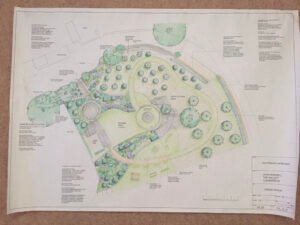
Concept layout and clay ground preparation planning for a garden design Cheshire project
The two primary routes for professional garden design are design-only, where the designer produces a complete set of drawings and specifications that the client then takes to a contractor, and design-and-build, where the same practice manages the construction following the design they have produced.
Design-only suits clients who have an existing contractor relationship they want to retain, or who want the flexibility to obtain multiple build quotes from the open market. The deliverables typically include measured survey, concept layout, detailed design drawings, material specification, planting plan, and construction details for complex features. Design-only fees in Cheshire for premium projects typically range from £3,000 to £8,000 depending on site complexity and the level of detail required. The limitation is the handover gap: a design produced without knowledge of how a specific contractor works, what materials they have access to, and how they manage sub-base and drainage on clay can be compromised in construction without the designer being present to identify the problem.
Design-and-build closes that gap. The design is produced with full knowledge of the construction method, the sub-base specification, the drainage approach, and the material installation standards that will be applied. The designer and the build team are the same people. There is no translation between design intent and construction delivery — no contractor interpreting a drawing in a way that takes a shortcut invisible in the finished surface until the first Cheshire winter reveals it.
For projects where the ground conditions are complex, where drainage must be actively managed, or where permanent structures require engineered footings, a design-and-build service is the more appropriate route. The design cost is incorporated into the overall project, and the client has a single point of contact and accountability from survey to handover.
For clients proceeding to construction under our integrated service, the full scope of delivery is outlined in our guide to full garden makeovers in Cheshire.
What a Garden Design Project Delivers
A professionally delivered garden design project for a Cheshire property at the premium level produces a set of documents that enable accurate pricing, correct construction, and long-term performance. The core deliverables are:
Site survey and measured drawings — accurate record of the existing garden, levels, boundaries, drainage, DPC positions, and access.
Concept design — scaled layout establishing zones, circulation, level changes, structural positions, and material palette. The basis for client sign-off before detailed development.
Detailed design drawings — fully dimensioned, suitable for construction and pricing. Includes material specifications, drainage strategy, and level information.
Construction details — specific drawings for steps, retaining walls, pergola footings, water features, and any element where the construction method materially affects the performance and appearance of the finished feature.
Planting plan — species, quantities, positions, and seasonal interest mapped against the specific conditions of the site: clay depth, drainage, orientation, and maintenance expectation.
Specification document — the written companion to the drawings, defining sub-base depth, drainage type, jointing compound, installation method, and quality standard for every component.
On design-and-build projects, these documents drive the construction programme directly. On design-only commissions, they provide the contractor with a complete instruction set — reducing the scope for the interpretation and shortcuts that produce failures.
This level of documentation is what distinguishes serious garden design Cheshire projects from decorative redesigns.
Garden Design in Cheshire: Investment Expectations
Design fees in Cheshire at the premium level reflect site complexity, project scope, and the level of technical detail required. Garden design Cheshire projects in affluent areas such as Knutsford, Wilmslow and Alderley Edge typically sit at the upper end of national fee ranges due to plot size and ground complexity.
Design-only: £3,000–£5,000 for a medium-sized residential garden with standard complexity. £5,000–£8,000+ for large plots, significant level changes, or technical drainage requirements. These fees cover survey, concept, detailed design, planting plan, and construction details.
Design-and-build: The design element is incorporated into the overall project cost. Total project investment for a full garden transformation in Cheshire typically begins at £30,000 for an executive-scale redesign and extends to £150,000 and above for estate-level or highly complex schemes. The design work itself is a fixed cost within the project, not a variable or optional component.
For clients comparing design-only fees against design-and-build project costs, the relevant question is not which option costs less at the design stage — it is which option produces a garden that performs correctly under Cheshire’s specific conditions and does not require remedial work within a few seasons of completion. The answer depends on the complexity of the site and the quality of construction management available to deliver a design-only project to specification.
Garden Design Across Cheshire
We work with clients across Knutsford, Wilmslow, Alderley Edge, Prestbury, Hale, Lymm, Macclesfield, Northwich, and throughout the wider Cheshire and North West area. Each of these locations presents specific site characteristics — the clay profiles around Knutsford and Northwich differ from the sandier ground found on elevated sites around Alderley Edge and Prestbury, and new-build developments across the county present consistently compromised starting conditions regardless of postcode.
Garden design for these locations is not a transferable template. The same layout applied to two plots fifty metres apart can require materially different sub-base depths, drainage strategies, and structural specifications depending on what the survey reveals. This is what makes site-specific design, produced by people with 30 years of experience working on Cheshire ground conditions, a functionally different product from a design produced at a distance from a plan and a brief.
Every garden design Cheshire commission we undertake is structured around ground intelligence, not surface aesthetics.
Frequently Asked Questions About Garden Design in Cheshire
How much does garden design cost in Cheshire?
Professional garden design in Cheshire typically costs between £3,000 and £8,000 for a design-only service, depending on site size and complexity. Design-and-build projects incorporate the design cost into the overall project fee, which begins at approximately £30,000 for a complete executive garden transformation. Accurate design fees are established after an initial site consultation, once the survey scope is confirmed.
What is the difference between a garden designer and a landscaper in Cheshire?
A garden designer produces the drawings, specifications, and planting plans that define what a garden will look like and how it will be built. A landscaper carries out the construction. Many Cheshire firms offer a design-and-build service where both functions are provided by the same practice, which eliminates the risk of the design being compromised during construction through misinterpretation or specification shortcuts.
How long does the garden design process take in Cheshire?
The design phase for a premium Cheshire garden project typically takes four to eight weeks from initial site survey to completed detailed drawings, depending on project complexity and the number of design iterations required. Complex sites with significant level changes, drainage challenges, or structural elements take longer to document correctly. The build programme follows separately once the design is approved.
Does garden design need to address Cheshire clay soils?
Yes — and it should do so at the concept stage, not after construction reveals the problem. Cheshire clay requires specific sub-base depths (150–200mm of compacted granular material), actively managed drainage rather than reliance on infiltration, and construction details that accommodate seasonal ground movement. A garden design that does not address these factors will not perform correctly regardless of the quality of the surface materials specified.
Do I need planning permission for garden design work in Cheshire?
Planning permission requirements depend on the type of work proposed. Most garden design work, including planting, terraces, and lawns, does not require permission. Permanent structures such as pergolas, garden rooms, and outbuildings may require permission depending on their size and position, particularly on properties in conservation areas or on listed buildings. Planning status is confirmed at the survey stage before any design work is committed to.
Discuss Your Garden Design Project
If you are considering professional garden design in Cheshire and want a scheme that is engineered as carefully as it is styled, arrange an initial consultation. We undertake a limited number of design commissions each season to ensure each project receives direct senior oversight from survey through to specification.
For realistic budget ranges before you commission a design, see our guide to garden landscaping costs in Cheshire, and browse completed projects in our portfolio.
Cheshire Landscape Gardener — Jason Costello, Mere, Knutsford
Call 07742 611273, email jason@cheshire-landscape-gardener.com or arrange a consultation online.